
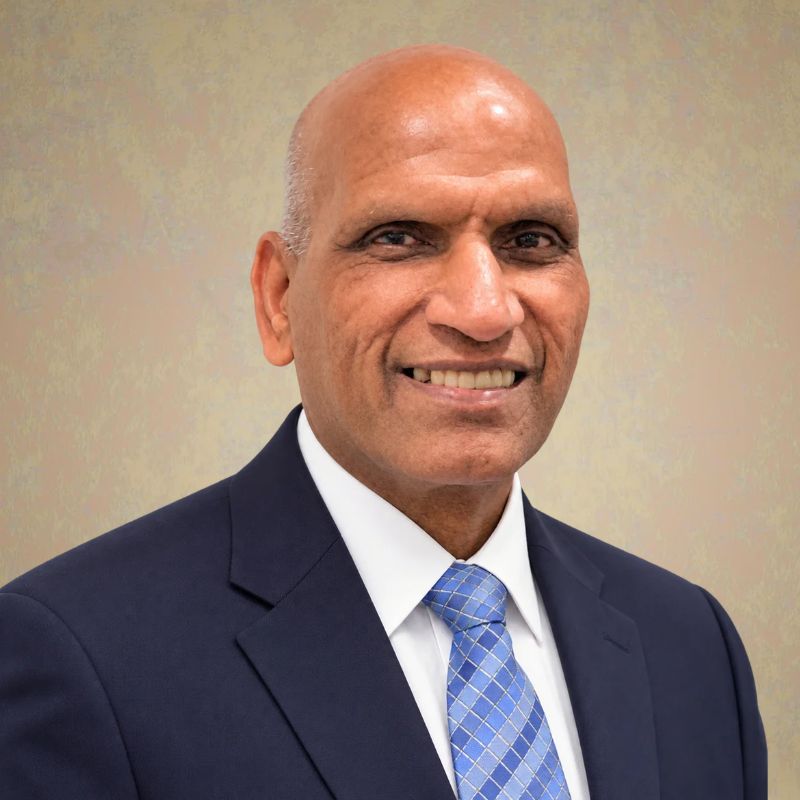
Ram P. Singal, P.E., is a civil engineer and licensed Professional Engineer in New York whose career spans decades of engineering and project leadership, including projects at the World Trade Center, JetBlue, Walmart, Lincoln Center, and JFK Airport. In 1989, he was hired as a team leader to develop a Structural Integrity Inspection Program to help maintain the integrity of the World Trade Center, then created and conducted the training program to implement it. On September 11, 2001, Ram was working on the 64th floor of the North Tower when it was hit first, and he survived the attack. That experience profoundly shaped his perspective on purpose, responsibility, and the difference one person can make. He has also developed and led training programs for project management staff, and as founder of “7 Billion Acts of Goodness,” he has shared his message across 25 countries and 800 cities through more than 4,000 presentations.
You spend so much of your career focused on what comes next: the next milestone, the next challenge, the next project that needs everything you have to give. In his closing keynote, “Build for What’s Next. Make Goodness Your Legacy,” Ram asks what would matter most if life changed in a single morning. He invites you to look again at the work you pour yourself into, the people who count on you, and the difference you may never know you’ve made.
Somewhere, a colleague may still remember something you said years ago. Someone may have found the courage to keep going because you believed in them. Through his personal journey and the vision behind “7 Billion Acts of Goodness,” Ram shows how the choices you make today can shape stronger teams and a better world. You’ll take one question home from the Summit, and it’s worth holding a little longer: While you’re busy building the future, what legacy are you leaving in the people beside you?
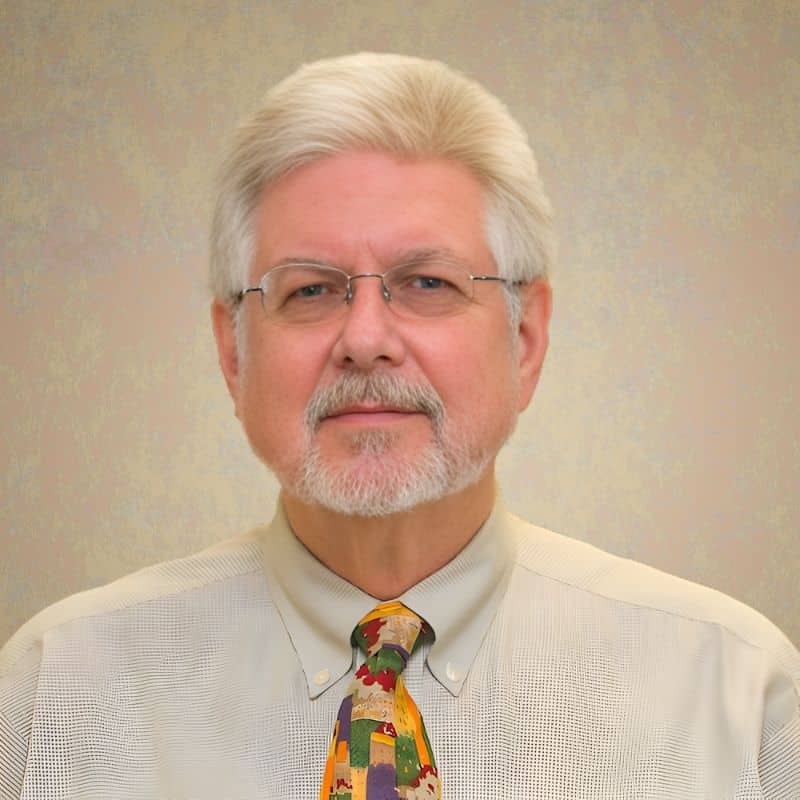
With over 45 years of experience, Chris Carson is a globally recognized thought leader in project controls, scheduling, and construction management. Currently serving as Enterprise Director of Program & Project Controls and Vice President at Arcadis U.S., Chris has earned some of the industry’s highest honors, including AACE International’s prestigious O.T. Zimmerman Founder’s Award. A distinguished industry Fellow, prolific author, and presenter of over 750 sessions, he is also an instructor at Project Control Academy.
At Project Control Summit 2027, Chris will join Andrew Bates to explore “An Effective Approach to Developing a Risk Culture by Starting with Positive Risk Wins.” Drawing on proven approaches and real-world successes at Arcadis, they will challenge conventional risk management thinking by demonstrating how identifying and capturing opportunities can deliver measurable value, build leadership confidence, and overcome resistance to comprehensive risk management.
Rather than starting with costly risk mitigation programs, Chris and Andrew will reveal how quick wins from positive risks can pave the way for a stronger, organization-wide risk culture. Attendees will gain practical insights into turning risk management from a perceived burden into a powerful driver of project success.
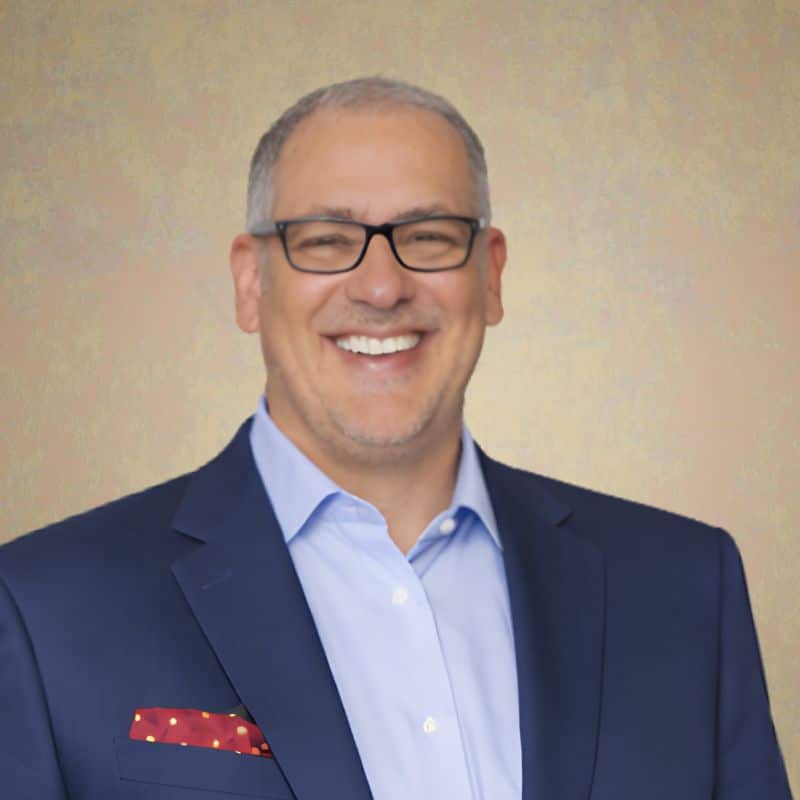
For more than 35 years, Peter Tignini has worked across more than $100 billion in capital programs and helped resolve more than $10 billion in disputes, with clients including Mubadala Investment Company, Saudi Aramco, and Koch Industries. As Managing Director of Precision Scheduling Consultants (PSC), a Service-Disabled Veteran-Owned Small Business, he delivers forensic scheduling, dispute resolution, CPM scheduling, and owner’s representation services. Peter developed the When Controls Lie methodology, a forensic diagnostic tested under cross-examination, and holds an MBA from the London School of Business, along with PMP and PMI-RMP certifications.
Your dashboard is green, SPI and CPI sit within tolerance, and the monthly narrative reassures everyone. But underneath, the logic, float, baseline, and governance may be telling a very different story. By the time your KPIs finally move, the options for recovery are gone and the claim is already forming. That is the gap Peter takes on at Project Control Summit 2027 in his session, “When Controls Lie: Five Diagnostic Indicators That Catch Project Failure Before Your KPIs Do,” where he shows you how to read your project data the way a dispute expert would years later, while there is still time to act.
Behind his approach are more than $100 billion in capital programs and $10 billion in resolved disputes. He uses that experience to point you to five early warning indicators hidden in data your team already collects: logic degradation, float migration, cost-progress divergence, baseline drift, and governance lag. You’ll work through anonymized dashboards that reported green while failing, test your own judgment in a live “spot the lie” exercise, and leave with a five-question diagnostic you can apply to your next status report in minutes.
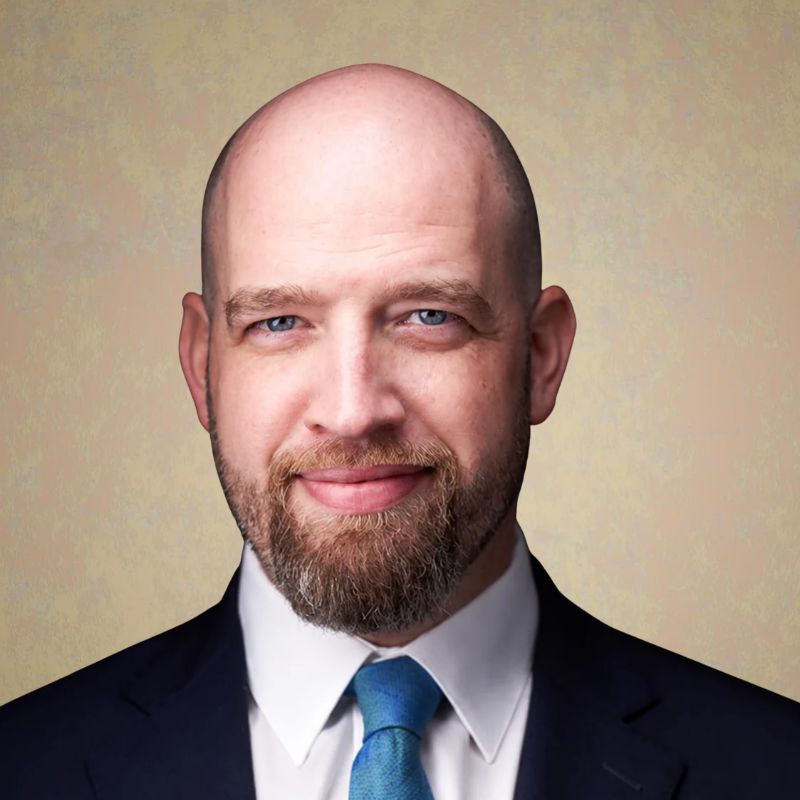
From construction sites to technology advisory work on major projects around the world, Jeremy Shulman has defined project controls on the ground for some of the world’s largest projects, including the Dubai Metro, London Crossrail, and nuclear programs in the USA. Today, he is Director of Construction Industry Strategy at Oracle Construction & Engineering, where he works with owners and contractors globally to connect technology strategy with the problems their organizations need to solve, including assessing AI readiness and building business cases for technology investments. He also contributes to industry education through PMI’s Digital Construction Practitioner course.
That experience, from construction sites to technology strategy, shapes how Jeremy approaches a question you’re likely hearing right now. The pressure to adopt AI is coming from every direction, and the first thing asked is usually, “Where can we use it?” It sounds like progress, but it sends your team hunting for a solution before anyone has agreed on the problem. Project Control Summit 2027 is where he tackles what sits behind that question, in his session “Please Stop Putting AI on Everything — Start with Why,” asking what AI readiness actually means for project controls. It starts with knowing what needs to improve and why it matters.
Not every improvement needs AI. Sometimes the fix is a better system, more reliable information, or straightforward automation. Using examples from project controls, you’ll work through how to separate those situations from the ones where AI can make a real difference, and what has to be in place before it can. You’ll leave with a short, practical framework for defining the problem, assessing readiness, and prioritizing opportunities by impact and effort, so you can make better technology decisions and build a business case you can explain to your leadership.
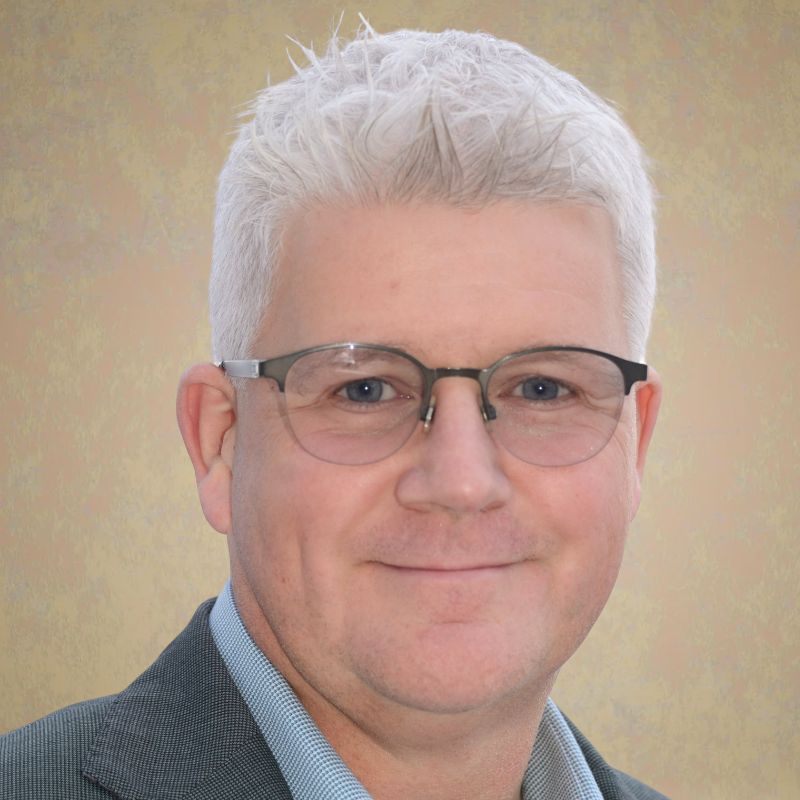
Across Australia and Ukraine, Alex Lyaschenko has spent more than 25 years as a Planning & Delivery consultant, implementing best project practices across programs, portfolios, and enterprise portfolios. Within multiple portfolio and program offices, he has helped organizations develop standards, implement PPM tools, and upskill delivery teams, and he developed Scheduling Standards, a Portfolio Milestones Framework, an Enterprise Interdependency Framework, and a Schedule Maturity Assessment. Alex represents the international Spider Project Team, works as a Planning and Scheduling instructor and mentor, and has had his articles and papers published in PM magazines and the PM World Journal.
With that much time spent building schedules and the standards behind them, Alex knows how plans behave when reality arrives. Projects rarely unfold as planned, and your schedule can collapse under variability, rework, and unforeseen events. Surviving disruption is no longer enough, so what if your schedule could benefit from it? That is the question behind his Project Control Summit 2027 session, “Antifragile Scheduling: Don’t Just Survive Uncertainty, Use It!”
Inspired by Nassim Nicholas Taleb’s concept of antifragility, Alex shows you how to design schedules that improve because of uncertainty, using adaptability, optionality, and quick feedback loops. You’ll get practical strategies for structuring work packages, embedding decision points, exploiting variability, and learning from deviations instead of merely correcting them.
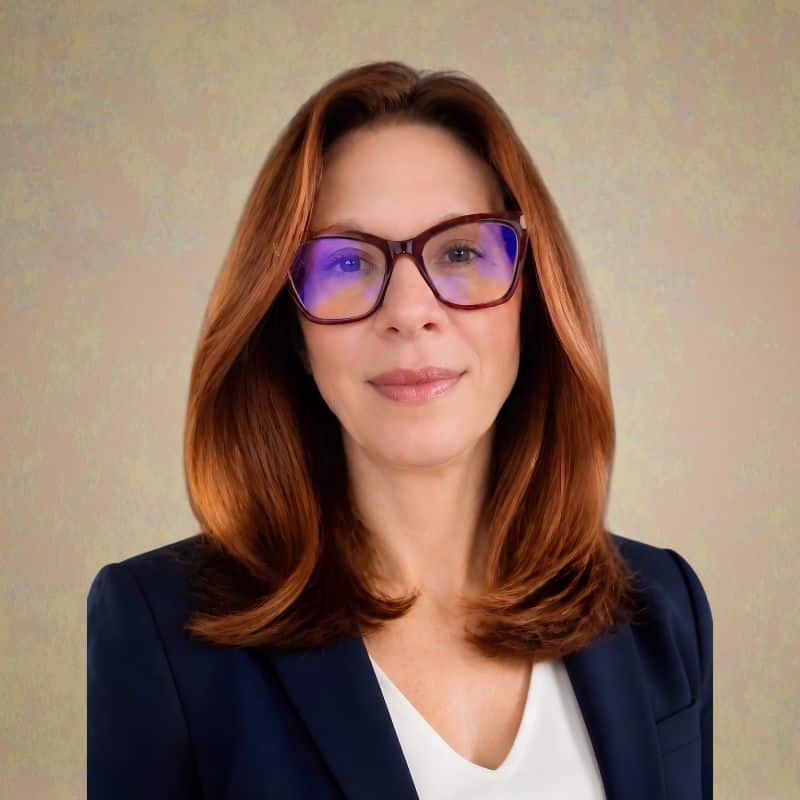
Thirty years of managing risk, cost, schedule, and performance, from Chicago’s Millennium Park and Red Line Extension to federal science programs, have led Kimberly Kozak PE, PRMP to her current role as Enterprise Risk Management Lead at a DOE national laboratory. There, she developed the methodology being used to mature the laboratory’s enterprise risk management program, and she has presented three technical papers at AACE International’s annual conferences. Kim is a licensed Professional Engineer (PE), Project Risk Management Professional (PRMP), and Maxwell Certified Behavioral Analyst and Consultant.
That work comes down to one question: how do you move risk out of the register and into decision-making? You already manage risk to delivery through contingency, range estimation, and reserve management, yet the risk information you produce at project level rarely reaches the enterprise decisions it bears on. Her Project Control Summit 2027 session, “Enterprise Risk Management by Design: A First-Principles Approach to Decision-Ready Risk,” shows you how to close that gap.
You’ll learn a method for building ERM from first principles, from creating risk registers on an authoritative taxonomy to aggregating risk across functions and reconciling registers so each exposure is counted once. That reconciliation exposes two gaps conventional registers miss, controls that are recognized but not owned and decision gates that never influence decisions, and you leave with a practical, repeatable approach you can apply in any complex organization, whatever your sector or governing standard.
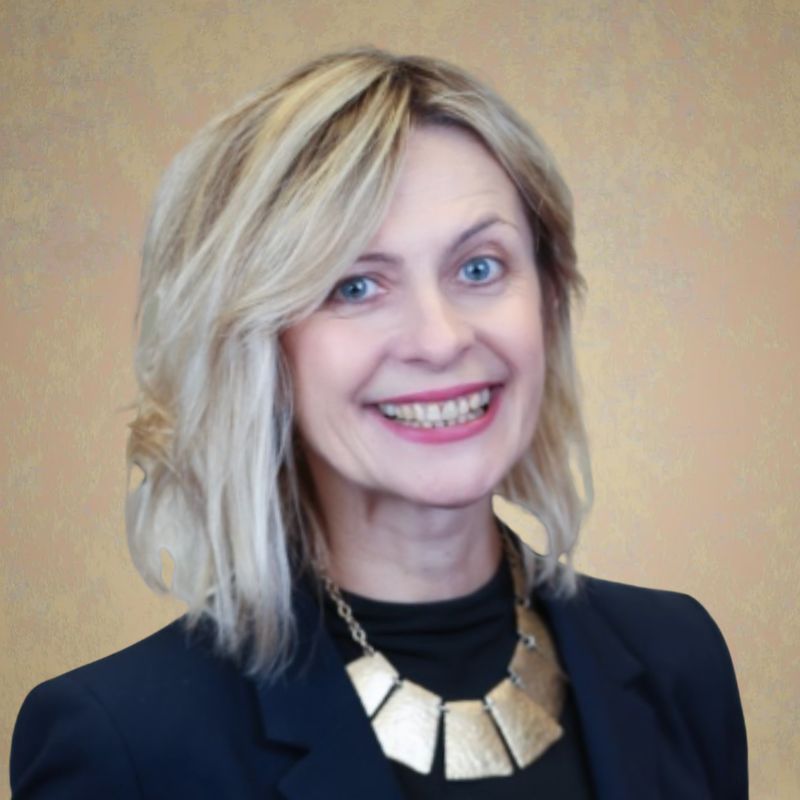
Based in Houston, Iwona Wilson, co-founder of Wilson Biz Consulting, helps project teams clarify what they are trying to achieve, question assumptions, and make better decisions before committing significant time and money. She brings more than 20 years of experience in oil and gas, LNG, and mining, including over a decade at Woodside Energy in Australia, and has facilitated more than 300 workshops. Iwona is the co-author of Where Projects Are Won or Lost, a former president of PMI’s Coastal Bend Chapter, and an IAF Certified Professional Facilitator.
With insight into the challenges facing both owners and EPC teams, Iwona knows that complete paperwork doesn’t always mean a project is ready. Your estimate is in, the schedule is built, and the risk register is up to date, but a gate meeting decision made on that alone can be an expensive one. She shows you what each gate should decide, and how project controls can help get it right, in “Beyond the Paperwork: Making Your Gate Meetings Drive Better Decisions,” her session at Project Control Summit 2027.
Through a short group exercise, you’ll use six simple Decision Quality questions to test the assumptions behind your estimates, schedules, and risks, then practice turning what you find into a clear recommendation for the next step. You’ll head into your next gate meeting with a practical checklist, whether you’re on an EPC team or the owner’s side, and no previous knowledge of gates or Decision Quality is needed.
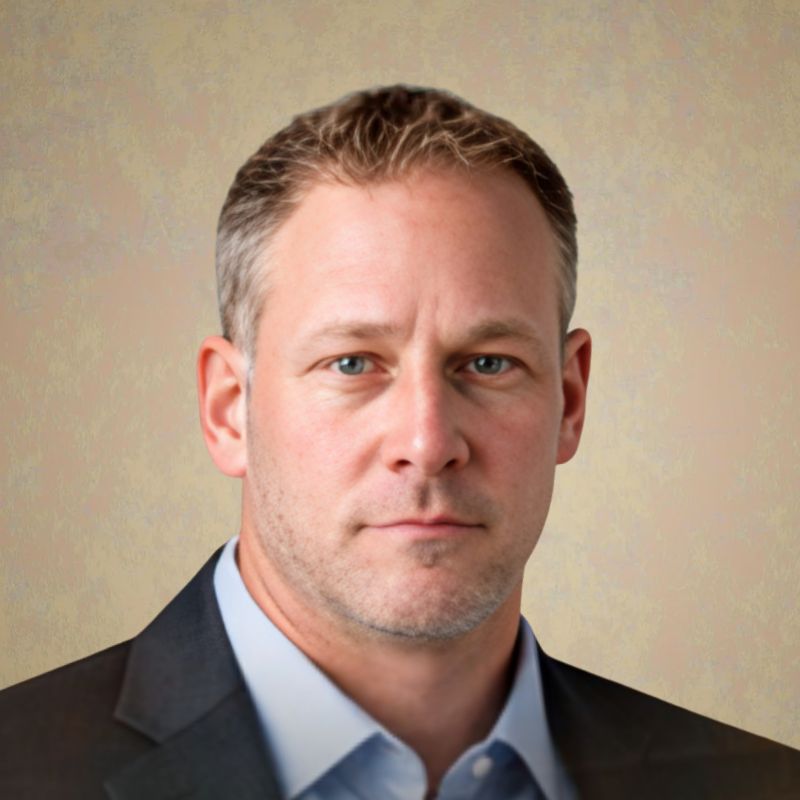
As founder and CEO of Precision Scheduling Consultants (PSC), Gregory Lee, CCP, LEED AP is one of the most experienced testifying experts in construction delay and forensic scheduling in North America. Over an 18-year career, he has directed schedule analysis and provided expert testimony across more than $10 billion in disputed claims, with an undefeated record across five years of active dispute engagements. A U.S. Army veteran and active member of AACE International, Greg holds a Master of Science in Construction Management from Texas A&M University and a Bachelor of Science in Construction Management from South Dakota State University, and is a CCP and LEED AP.
Years of expert testimony have shown Greg that a dispute is often decided long before it begins. Most teams never ask whether their schedule would survive a claim until a dispute forces the question, and by then the answer was settled in the quality of your baseline and the discipline of your updates. He shows you which schedule-quality issues make or break your position in “Would Your Schedule Survive a Claim? The Schedule Quality Issues That Make or Break Your Position in a Dispute,” his session at Project Control Summit 2027.
Going beyond the DCMA 14-point assessment, you’ll see the patterns that keep appearing in the schedules behind failed claims, from redundant logic and constraint abuse to float sequestration and update practices that erode the contemporaneous record, and what each one costs in a dispute. Greg also shows how AI is changing this work and where human verification stays non-negotiable, so you leave with a practical framework for testing whether your own schedules would survive dispute-level scrutiny.
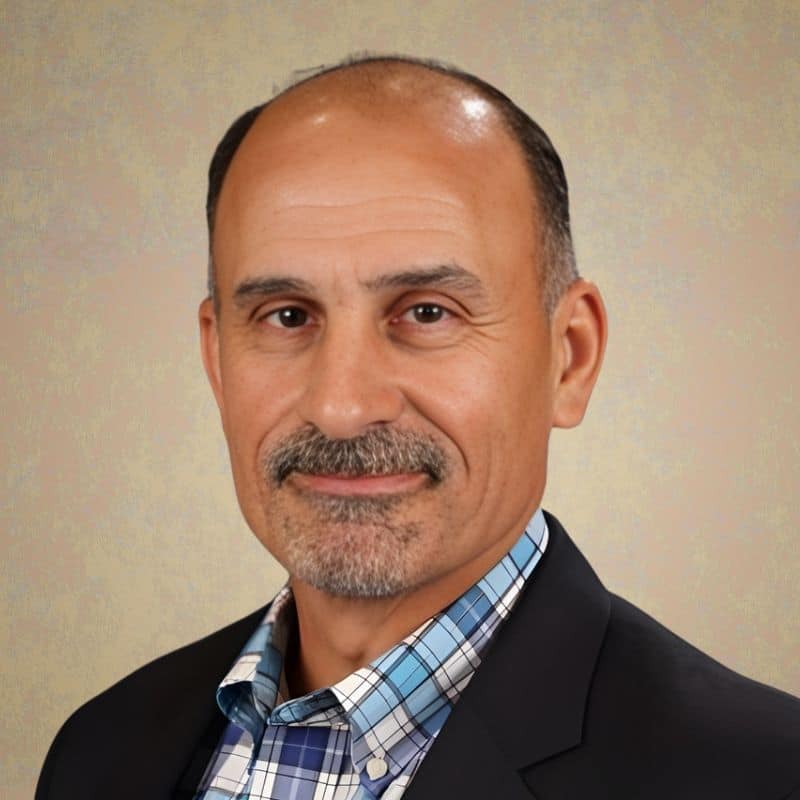
Michael Nosbisch, CCP, PSP, FAACE has led EVM and project controls practices for more than 38 years across government, EPC, consulting, and major capital project environments, including as Vice President of Earned Value Management for SM&A and Vice President of Project Controls for Parsons’ federal government business. A Fellow and Past President of AACE International, he is also actively involved with NDIA’s Integrated Program Management Division and currently works with SMSI, LLC. Michael is a visiting professor at Texas A&M University, where he teaches graduate-level project financial/cost management.
That blend of hands-on EVM practice, federal program experience, and teaching is what Michael brings to the room. Knowing the EVM formulas is one thing, but knowing how to use them to understand what is really happening on your project is another. He’ll facilitate “Applying EVM to Real-World Projects,” an interactive two-and-a-half-hour EVM workshop at Project Control Summit 2027, where you’ll work through a realistic construction project.
From structuring the work and measuring performance to analyzing variances and forecasting where the project may be heading, you’ll see through connected, hands-on exercises how the pieces of EVM fit together and how the numbers uncover underlying issues. You’ll move beyond reporting metrics and start using EVM as a practical, proactive tool for better project decisions.
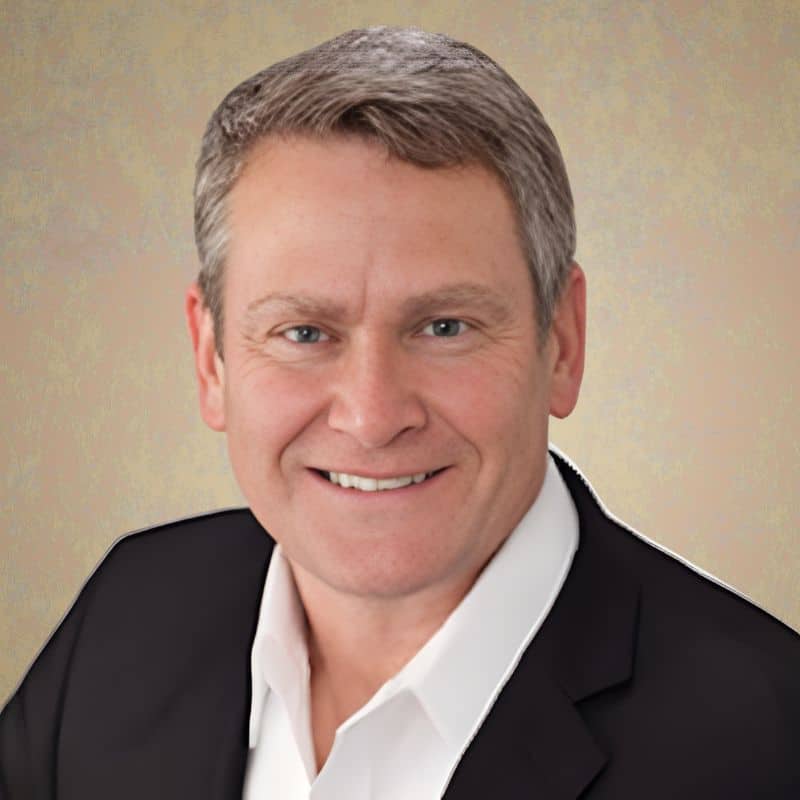
Telecommunications, aerospace, and defense contracting, including extensive work with NASA, have shaped John Hale’s more than three decades of hands-on experience in project controls, project risk management, and contract risk management. He has carried out more than 50 Economic and Project Risk Assessments and led or mentored more than 130 Quantitative Schedule Risk Analyses (QSRAs) across every continent and in over 30 countries. John serves as Regional Director for the Professional Risk Managers’ International Association in Houston and has contributed to AACE publications. He holds a Bachelor’s degree from California State University, Chico, and an MBA from Texas A&M University, completed the Advanced Management Program at the Thunderbird School of Global Management, and has been a certified PMP for more than 20 years.
With more than 130 QSRAs behind him, John knows a risk analysis can look sound and still mislead you. A QRA can run cleanly and produce a polished S-curve, yet the real problems rarely sit in the software. They sit in the inputs and modeling choices made along the way, and they tend to be the same ones, project after project. In “Fixing the Common Problems That Undermine Your Risk Analysis,” his interactive two-and-a-half-hour QRA workshop at Project Control Summit 2027, you’ll tackle them head-on.
You’ll start with a grounding in QRA fundamentals, then examine five common problems drawn from cold-eye reviews of completed QRAs, using real-world examples. Next, you’ll work through a sample project with no software needed, following the clues to find where the analysis went wrong and developing solutions to correct it. A debrief and open Q&A close the workshop, so you can go on to produce QRA results that you and your stakeholders can trust.